Often called splicing truck or fiber truck, the mobile laboratory is designed for installing optical splice closures and performing measurements on optical cables during the construction and operation of fiber optic networks. Usually this involves outdoor field work. Weather conditions can vary, and to ensure tasks are completed efficiently and on time – fiber laboratory vehicles are used. Such laboratories are provided to maintenance crews and emergency repair crews. The presence of such vehicles is required by any serious internet service provider company.
Any fiber network operating manual stipulates the following:
- Telecom companies must be equipped with vehicles for transportation to and from the work site
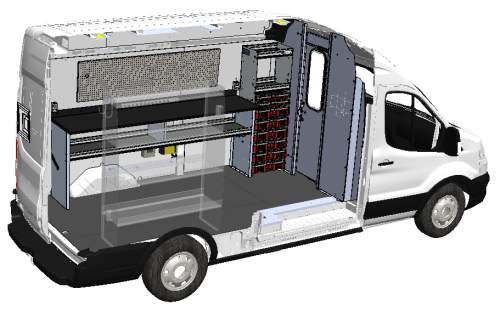
- In large telecommunications enterprises – with mobile vans (the van must be equipped with electric lighting, a heater, a table, benches, and storage space for tools and materials)
The procedure of locating faults in fiber optic communication lines and subsequent emergency repair work on fiber optic lines can also be found in such manuals:
- The task of locating and repairing faults on active fiber optic communication lines of local communication networks must be performed by the team of the ISP, equipped with a full set of all necessary devices and tools. The team must have at its disposal a service vehicle based on a van or truck. During the fault-finding process, the team will need to inspect in-building nodes, splice closures, manholes. Therefore, the vehicle is equipped with a set of safety barriers, ladders, shovels, a metal detector, a gas analyzer, and a water pump. For the installation and repair of splice closures, the vehicle is equipped with: an auxiliary battery, a splicing table, and mounting fixtures for splice closures.
Tasks of fiber labs
- Stripping and splicing of fiber optic cables
- Maintenance and repair of fiber optic communication lines
- Locating the site of fault or damage of fiber cable
- Functional testing of fiber optic line routes
- Conducting initial inspection of fiber cables and measuring fiber optic line parameters
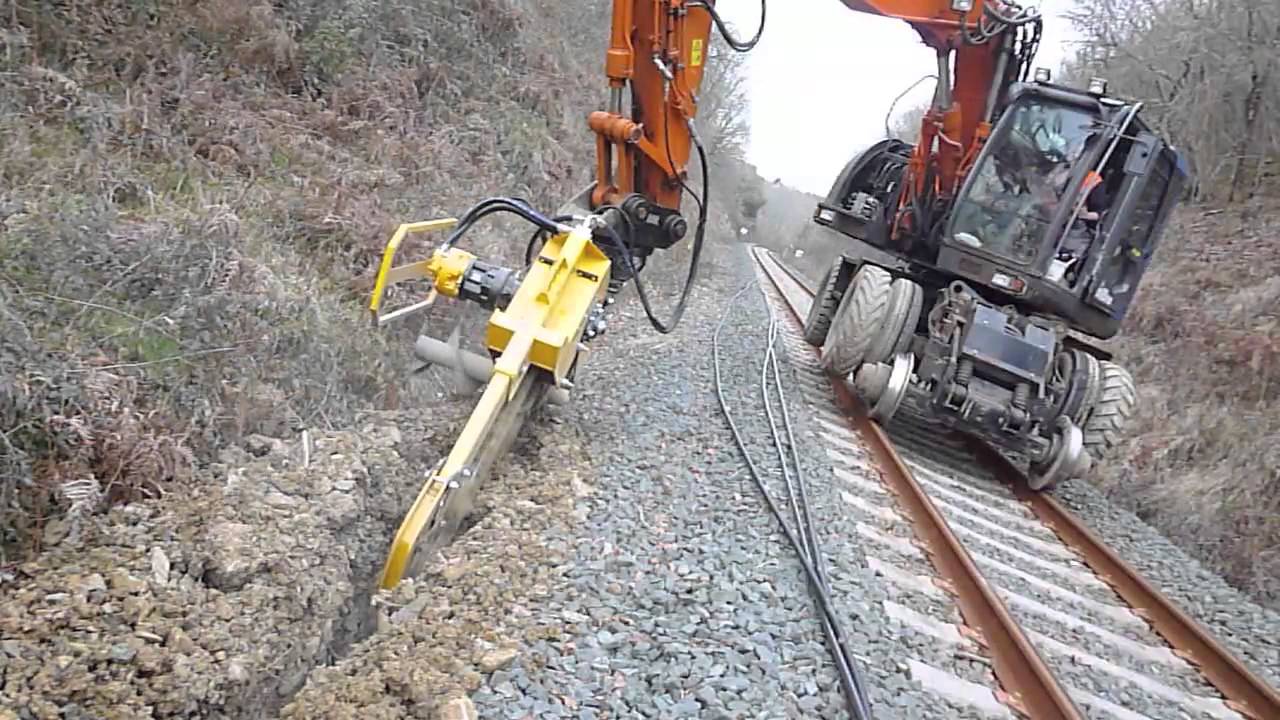
- Delivery of installation crews, tools, and mechanization equipment to the work site.
Equipment of fiber labs
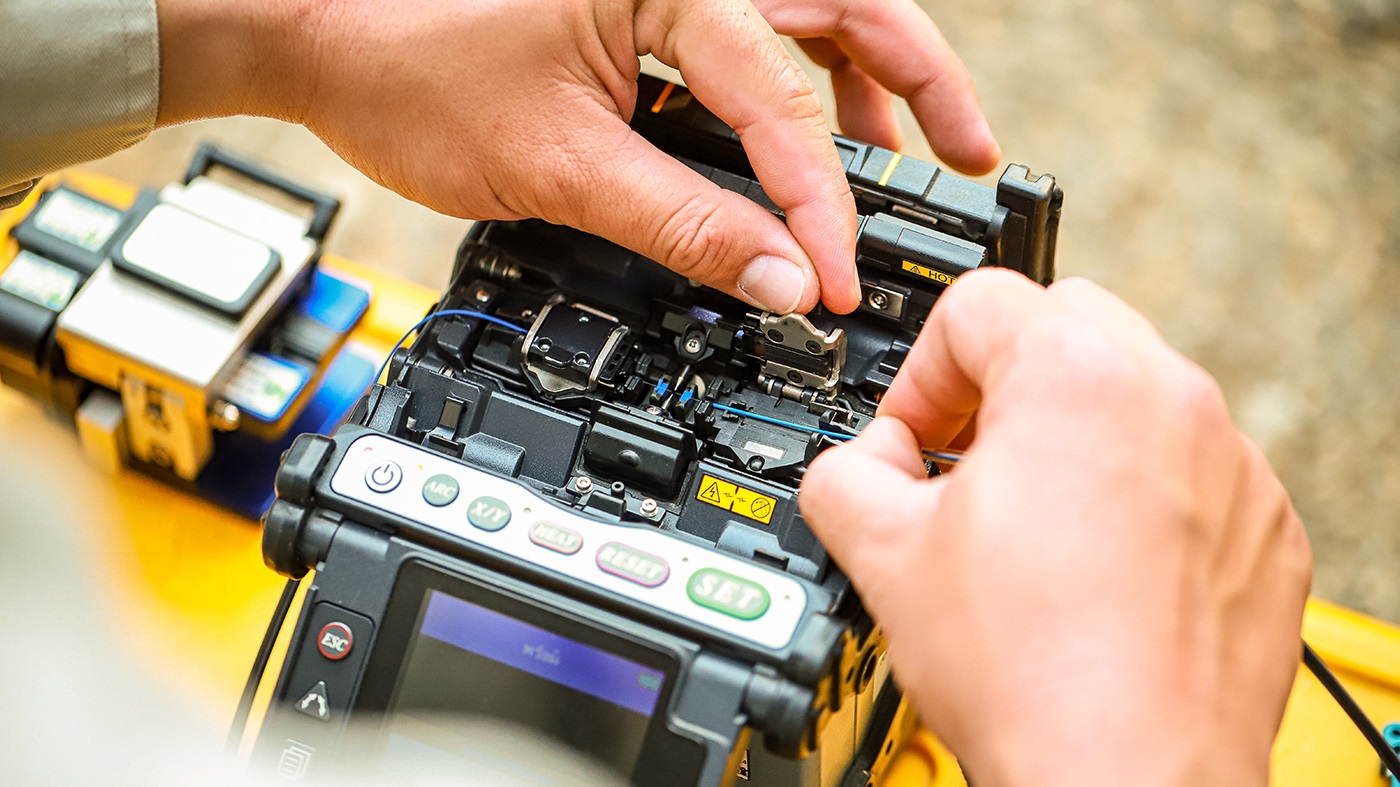
- Fusion splicing machine
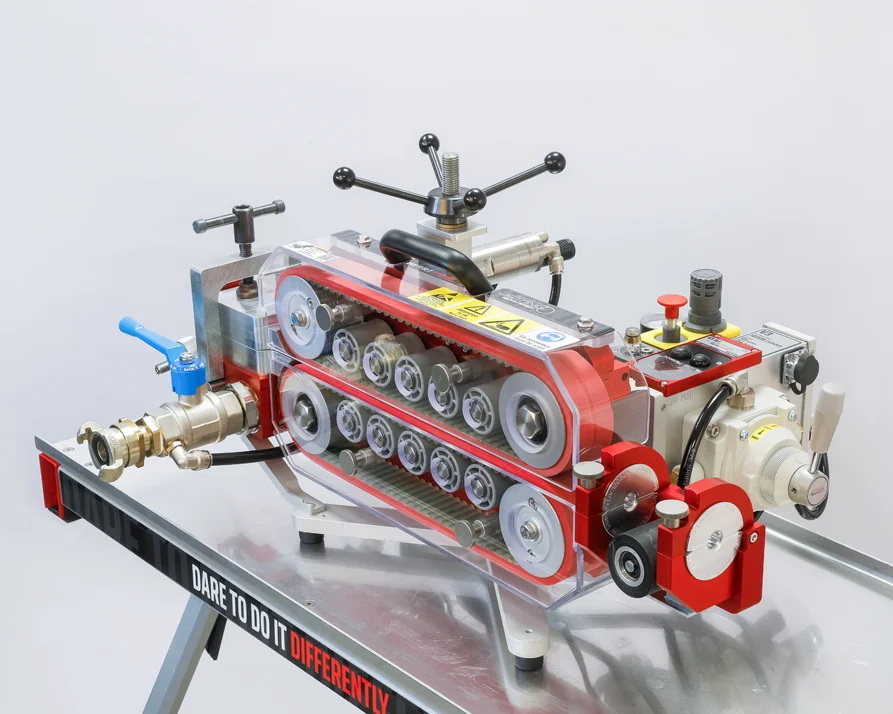
- Set of tools for stripping and installing optical cable
- Set of optical testers
- Optical phones
- Route-finding kit
- Pulse locator
- Traffic analyzer for testing PDH/SDH links.
- Device for signal spectrum analysis, measuring line characteristic impedance, analyzing return loss, and line symmetry.
- Laptop.


Fusion splicer
Fiber toolkit
Grounding resistance tester
OTDR
Line / fault locator
Active fiber identifier
The mobile fiber optic lab can also be equipped with additional equipment:
- Electric or gas heater. Ensures smooth engine start in winter and a comfortable temperature inside the vehicle
- Air conditioner. Serves to maintain the desired temperature and humidity inside the vehicle during sumer
- Power generator. Used as a backup, primary, or alternative power source
- 12–220 V, 24–220 V automotive voltage inverters. 12/24–220 V voltage inverters are designed to power electronics and devices requiring 220 V from the vehicle’s electrical system or a 12- or 24-volt battery. The use of inverters is an ideal solution for powering electrical devices not designed for use on board a vehicle
- Flashlight
- Water supply
Types of mobile fiber labs
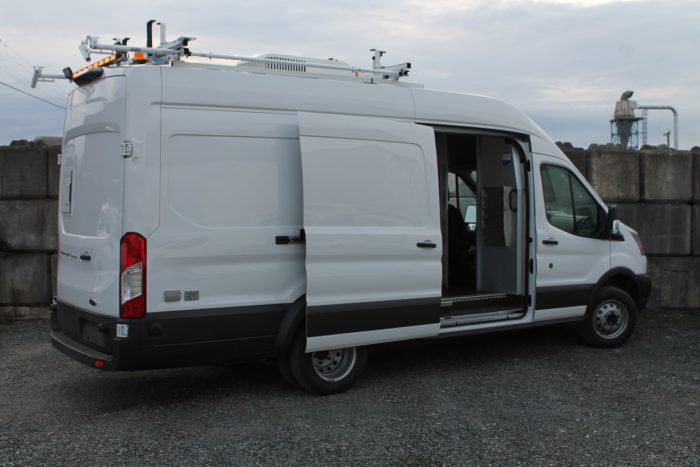

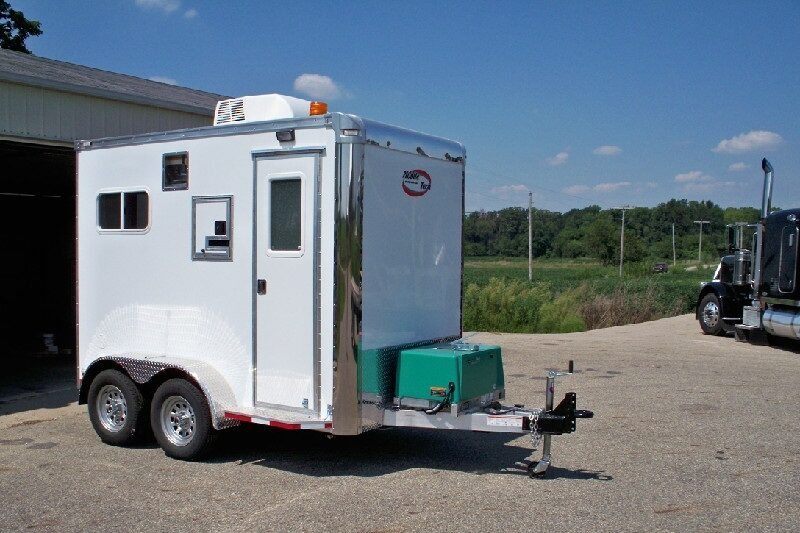
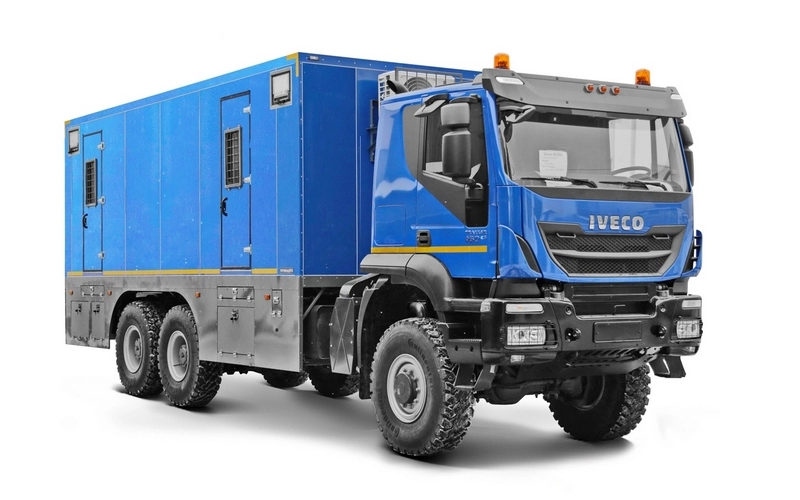
Mobile fiber optic labs come in all shapes and sizes:
- Vans – fully upfitted cargo vans like Ford Transit or Mercedes Sprinter that allow technicians to drive and park anywhere
- Pickup and truck caps – slip-in, fiberglass service capsules fitted onto standard pickup trucks, offering a smaller footprint for dense city streets
- Aerial combiners – custom bucket trucks that integrate both an aerial lift and a splicer lab capsule, providing both height and indoor splicing workspaces
- Trailers – standalone splicing trailers that can be towed
- Serious 4x4s or 6x6s – for remote and harsh environments
Working in remote, unpopulated, hard to access areas require special vehicles. Such lab vehicles are used on trunk, cross-country, cross-border fiber lines, in harsh environments. Some vehicles can be equipped with sleeping quarters, allowing personnel to live in them, cook, work, and sleep.

Written by Vasiliy Grodetskiy | CTO of Splice.me
With over 20 years of experience in fiber network engineering, Vasiliy has been directly involved in the evolution and deployment of fiber infrastructure worldwide. Vasiliy brings deep expertise in industry standards, regulatory environments, and the practical trade-offs between different approaches to fiber network roll-out.